The Role of Joinery Designer Services in Modern Commercial Fit-Outs
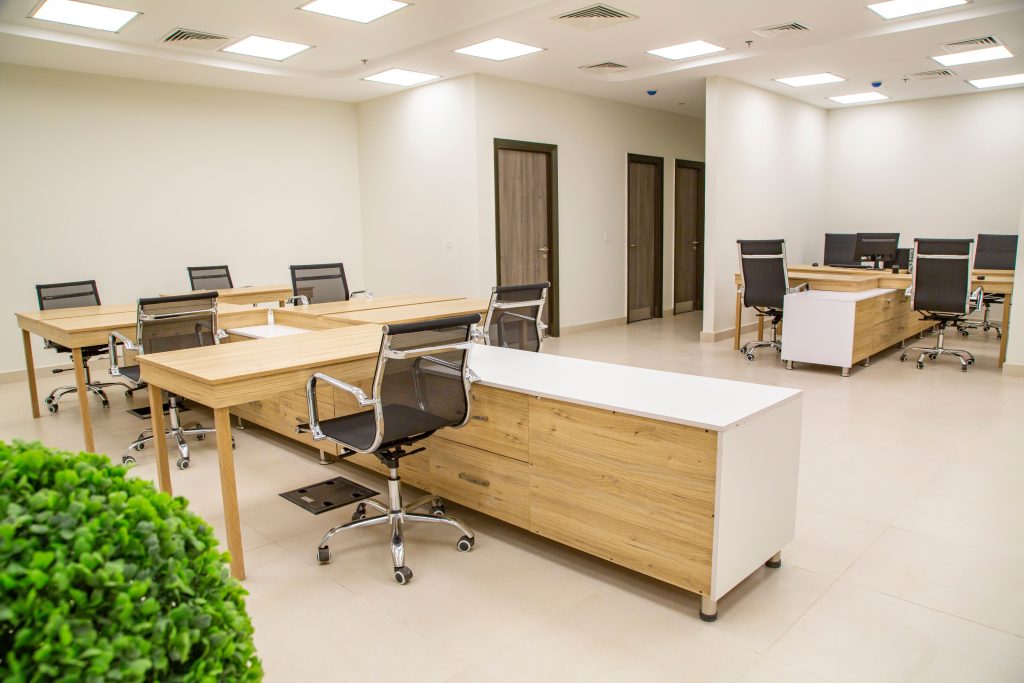
Menu Home About Services 3D Renderers & Visualisations Production-Ready Shop Drawings Tailored First Drafts & Design Layout Portfolio Let’s Connect Blog FAQ Blog / Joinery Design & Drafting The Role of Joinery Designer Services in Modern Commercial Fit-Outs June 17, 2026 Modern commercial fit-outs require more than attractive interiors. Businesses need spaces that are functional, efficient, brand-aligned, and built to support daily operations. Whether it’s an office, retail store, hospitality venue, healthcare facility, or educational environment, custom joinery often plays a critical role in achieving these objectives. Behind every successful fit-out is a carefully planned joinery solution. This is where professional joinery designer services provide significant value. By combining technical knowledge, spatial planning, and practical manufacturing considerations, joinery designers help transform concepts into buildable and functional environments. This guide explores the role of joinery designers in modern commercial fit-outs and explains why their expertise is essential for achieving successful project outcomes. Quick Answer: What Does a Joinery Designer Do in a Commercial Fit-Out? A joinery designer is responsible for planning, designing, and developing custom joinery solutions for commercial spaces. Through detailed joinery design, space optimisation, material selection, and coordination with project stakeholders, joinery designers help ensure cabinetry and custom-built elements meet both aesthetic and functional requirements while remaining practical to manufacture and install. Key Takeaways Joinery designers create customised cabinetry and built-in solutions for commercial spaces. Professional joinery design improves functionality, efficiency, and user experience. Joinery designers bridge the gap between concept design and manufacturing. Early design involvement helps identify challenges before construction begins. Effective fit-out design requires collaboration between designers, architects, builders, and manufacturers. Custom joinery contributes to stronger brand presentation and space utilisation. What Are Joinery Designer Services? Joinery designer services involve the planning, design, and development of custom joinery solutions for residential, commercial, and hospitality environments. A joinery designer creates detailed concepts and specifications for: Reception counters Cabinetry Workstations Hospitality joinery Retail displays Custom furniture Storage systems Feature walls and built-in elements The objective is to create joinery that supports the overall goals of the project while ensuring practicality, functionality, and visual appeal. Why Is Joinery Design Important in Commercial Fit-Outs? Commercial spaces must balance aesthetics with performance. Unlike residential projects, commercial environments often need to accommodate: High user traffic Operational workflows Accessibility requirements Brand standards Storage demands Durability expectations Professional joinery design helps ensure custom-built elements contribute positively to both the appearance and functionality of the space. Well-designed joinery can improve workflow efficiency, maximise storage capacity, and create a more professional customer experience. Maximising Space Efficiency One of the most valuable contributions of a joinery designer is the ability to optimise available space. Through strategic planning, custom joinery can: Improve storage capacity Reduce clutter Enhance workflow efficiency Create multi-functional areas Improve user accessibility This is particularly important in commercial environments where space utilisation directly impacts business operations. How Does a Joinery Designer Contribute to a Commercial Fit-Out? Translating Design Concepts into Practical Solutions Architectural and interior design concepts often establish the vision for a space, but custom joinery requires a more detailed approach. A joinery designer develops practical solutions that align with the broader design intent while addressing real-world considerations such as: Manufacturing requirements Material limitations Installation constraints Budget objectives User functionality This process helps ensure design concepts can be successfully delivered on site. Enhancing User Experience Commercial fit-outs should support the needs of employees, customers, and visitors. Thoughtful joinery design helps create spaces that are: Easy to navigate Comfortable to use Organised and efficient Visually appealing Consistent with brand identity These factors contribute to a better overall experience for everyone interacting with the space. Supporting Brand Presentation Custom joinery often serves as a highly visible component of a commercial environment. Elements such as: Reception desks Retail displays Service counters Feature walls Display cabinetry can significantly influence how a business is perceived. A joinery designer helps ensure these elements align with brand objectives and contribute to a cohesive visual identity. What Is the Difference Between a Joinery Designer and a Cabinet Designer? While the terms are sometimes used interchangeably, there are important distinctions. A cabinet designer typically focuses on cabinetry and storage solutions, often within kitchens, bathrooms, and residential environments. A joinery designer generally works across a broader range of custom-built elements, including: Commercial cabinetry Reception areas Retail fit-outs Hospitality venues Workplace environments Architectural joinery In commercial projects, joinery designers often coordinate multiple custom components throughout an entire fit-out. How Does Joinery Design Improve Fit-Out Design? Supporting Brand Presentation Commercial fit-outs involve collaboration between multiple professionals, including: Architects Interior designers Builders Project managers Manufacturers Clients Joinery designers help coordinate custom joinery requirements across these groups, reducing the risk of miscommunication and project delays. Early Identification of Design Challenges Many fit-out issues can be avoided when joinery is considered early in the design process. Potential challenges may include: Space constraints Service coordination conflicts Accessibility concerns Storage limitations Construction restrictions Identifying these issues early allows teams to make informed decisions before construction begins. Improved Project Efficiency Well-planned joinery solutions support smoother project delivery. Benefits include: Fewer design revisions Improved manufacturing efficiency Reduced installation issues Better budget control Faster project completion This contributes to a more predictable and successful fit-out process. What Industries Benefit from Joinery Designer Services? Joinery designer services are commonly used across a wide range of sectors, including: Corporate Offices Custom workstations, storage solutions, breakout spaces, and reception areas help create productive and professional workplaces. Retail Environments Retail displays, counters, shelving systems, and point-of-sale areas support customer engagement and product presentation. Hospitality Venues Restaurants, cafés, bars, and hotels rely on custom joinery to create memorable customer experiences while supporting operational efficiency. Healthcare Facilities Healthcare environments often require specialised joinery solutions that prioritise functionality, durability, hygiene, and accessibility. Education and Training Facilities Educational spaces benefit from custom storage, collaborative work areas, and specialised learning environments. Why Are Custom Joinery Solutions Preferred in Commercial Projects? Commercial businesses often have unique operational requirements that standard furniture and off-the-shelf solutions cannot address. Custom joinery offers: Better space utilisation Improved
How Joinery Drafting Services Improve Accuracy in Cabinet Manufacturing
Menu Home About Services 3D Renderers & Visualisations Production-Ready Shop Drawings Tailored First Drafts & Design Layout Portfolio Let’s Connect Blog FAQ Blog / Joinery Design & Drafting How Joinery Drafting Services Improve Accuracy in Cabinet Manufacturing June 14, 2026 Manufacturing high-quality cabinetry requires precision at every stage. From design interpretation through to production and installation, even minor errors can lead to costly delays, material waste, and poor fitment. Professional joinery drafting provides the detailed documentation manufacturers need to build cabinetry accurately and efficiently. By creating clear technical drawings and shop drawings, drafting specialists help ensure every component is manufactured according to exact specifications. This guide explains how joinery drafting services improve accuracy in cabinet manufacturing and why they have become an essential part of modern joinery production. Quick Answer: How Do Joinery Drafting Services Improve Accuracy in Cabinet Manufacturing? Joinery drafting services improve accuracy in cabinet manufacturing by creating detailed technical drawings that define dimensions, materials, hardware, construction methods, and installation requirements. These drawings reduce ambiguity, improve communication between stakeholders, minimise production errors, identify design conflicts before manufacturing begins, and support more accurate fabrication and installation. Key Takeaways Joinery drafting transforms design concepts into production-ready documentation. Detailed shop drawings reduce manufacturing errors and rework. Accurate cabinet drafting improves communication between designers, manufacturers, and installers. Drafting helps identify design conflicts before production begins. Precise documentation supports CNC manufacturing and material optimisation. Professional drafting contributes to higher-quality cabinetry and more efficient project delivery. What Is Joinery Drafting? Joinery drafting is the process of creating detailed technical drawings that provide manufacturers with the information required to produce cabinetry and custom joinery accurately. These drawings typically include: Dimensions and measurements Material specifications Hardware details Construction methods Assembly instructions Installation requirements The purpose of joinery drafting is to translate design intent into practical manufacturing information that workshop teams can follow with confidence. Why Is Accuracy Important in Cabinet Manufacturing? Accuracy is one of the most important factors influencing the quality, functionality, and profitability of cabinet manufacturing projects. When measurements or specifications are incorrect, manufacturers may experience: Material wastage Production delays Rework costs Installation issues Client dissatisfaction Reduced profitability Because cabinetry often integrates with walls, appliances, plumbing, electrical services, and architectural finishes, even small discrepancies can create significant challenges during installation. Accurate cabinet drafting helps prevent these issues before manufacturing begins. Shop Drawings Create a Single Source of Truth Cabinet manufacturing projects often involve multiple stakeholders, including: Architects Interior designers Builders Joinery manufacturers Installers Clients Without clear documentation, misunderstandings can occur. Detailed shop drawings provide a central reference point that ensures everyone is working from the same information. This improves project coordination and reduces the likelihood of costly mistakes. Drafting Identifies Problems Before Production Begins Professional drafting allows potential issues to be identified before materials are cut or assembled. Common problems detected during the drafting stage include: Appliance clearance conflicts Door swing interference Service coordination issues Structural limitations Access and usability concerns Resolving these issues early is significantly more cost-effective than making changes during manufacturing or installation. Better Documentation Supports Consistent Quality Consistency is essential for both small custom projects and large commercial fit-outs. Detailed drafting documentation helps ensure: Uniform manufacturing standards Consistent dimensions Repeatable production processes Reliable installation outcomes This consistency contributes to higher-quality cabinetry and improved project performance. How Does Joinery Drafting Improve Manufacturing Accuracy? Precise Dimensions Reduce Manufacturing Errors One of the primary benefits of professional joinery drafting services is the creation of highly detailed dimensional information. Drawings clearly specify: Cabinet heights Widths and depths Shelf positions Door clearances Drawer spacing Appliance integration requirements This level of detail eliminates guesswork and provides manufacturers with a reliable reference throughout production. As a result, components are more likely to fit correctly during assembly and installation. What Are Shop Drawings and Why Are They Important? Shop drawings are detailed technical documents that provide the specific information required to manufacture and install cabinetry and custom joinery. Unlike architectural drawings, which focus on overall design intent, shop drawings concentrate on buildability and production requirements. They typically include: Construction details Material schedules Hardware specifications Section views Manufacturing notes Installation requirements These documents act as the bridge between design concepts and physical construction. How Do Shop Drawings Improve Cabinet Manufacturing? Improved Communication Across Project Teams Shop drawings provide clear instructions that reduce the need for assumptions or interpretation. This improves communication between: Designers Builders Manufacturers Installers When everyone understands exactly how a cabinet is intended to be built, errors become far less common. More Efficient Production Processes Manufacturing teams can work more efficiently when they have accurate production documentation. Detailed shop drawings help streamline: Material preparation Component cutting CNC programming Assembly workflows Installation planning This improves productivity while reducing the likelihood of costly mistakes. Stronger Quality Control Shop drawings establish measurable standards for quality control. Teams can compare completed components against documented specifications to verify: Dimensions Materials Hardware placement Construction details This structured process helps maintain quality throughout the project lifecycle. Can Joinery Drafting Reduce Material Waste? Yes. Accurate drafting helps manufacturers calculate material requirements more precisely, reducing unnecessary waste. Benefits include: Improved sheet optimisation Better material forecasting Reduced offcuts Lower procurement costs More sustainable manufacturing practices By minimising errors and rework, drafting contributes to both cost savings and environmental efficiency. How Does Cabinet Drafting Support CNC Manufacturing? Modern cabinet manufacturers increasingly rely on CNC technology to improve precision and productivity. CNC machinery performs best when supplied with accurate digital information. Professional cabinet drafting provides: Precise dimensions Consistent specifications Reliable manufacturing data Accurate component layouts This improves machining accuracy and helps manufacturers achieve repeatable results across production runs. Who Uses Joinery Drafting Services? Joinery drafting services are commonly used by: Cabinet makers Joinery manufacturers Interior designers Architects Builders Commercial fit-out contractors Residential construction companies These professionals rely on detailed documentation to ensure projects move smoothly from design through to installation. Frequently Asked Questions What is joinery drafting? Joinery drafting is the process of creating technical drawings that provide manufacturers with detailed instructions for producing cabinetry and custom joinery.
Modern Woodworking Technology: How AI and CNC Automation Are Changing Joinery in 2026
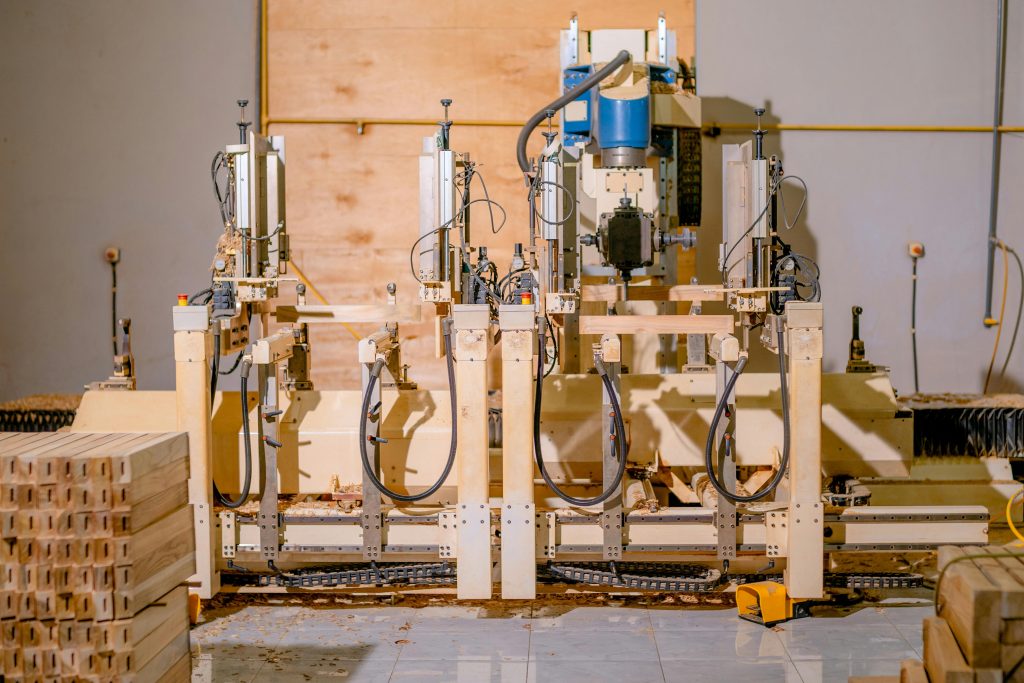
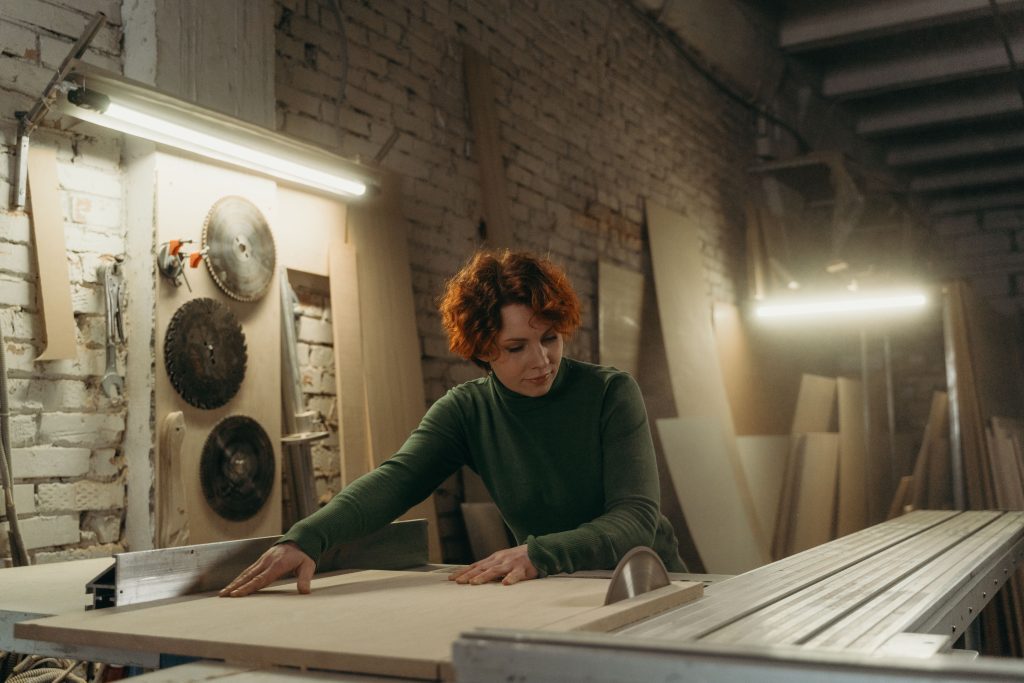
Menu Home About Services 3D Renderers & Visualisations Production-Ready Shop Drawings Tailored First Drafts & Design Layout Portfolio Let’s Connect Blog FAQ Blog / CNC & Manufacturing Modern Woodworking Technology: How Modern Woodworking Technology Is Transforming Joinery May 21, 2026 Modern woodworking technology is rapidly changing the joinery and manufacturing industries. From AI-powered machinery and advanced dust extraction systems to CNC automation and digital fabrication tools, workshops today are becoming safer, cleaner, and more efficient than ever before. What was once a highly manual trade is now evolving into a smarter, technology-driven industry where automation, artificial intelligence, and precision manufacturing work together to improve productivity and safety without removing the craftsmanship that defines woodworking. As construction and manufacturing industries continue embracing digital transformation, joinery businesses that adopt modern technologies are positioning themselves for stronger efficiency, improved project delivery, and long-term growth. Why Modern Woodworking Technology Matters One of the biggest changes modern woodworking technology has introduced is the improvement of workshop safety, air quality, and operational efficiency. Traditional woodworking workshops were often filled with airborne dust particles that created long-term health risks for workers. Today, advanced dust extraction systems, industrial air filtration technologies, and smart dust management solutions are helping workshops become significantly cleaner and safer. Modern smart extraction systems can automatically activate only when machinery is operating, reducing unnecessary energy usage while maintaining cleaner production environments. For joinery manufacturers and cabinetry workshops, these improvements provide several benefits: Improved worker safety Reduced airborne dust exposure Better equipment maintenance Cleaner workshop environments Lower operational costs Improved workflow efficiency As workplace safety standards continue evolving, investing in modern woodworking technology is becoming increasingly important across the joinery and manufacturing sectors. AI-Powered Safety Systems in Modern Woodworking Technology Artificial intelligence is also making woodworking machinery significantly safer. Modern table saws and cutting equipment now use intelligent safety systems capable of detecting when hands move dangerously close to blades. Some systems use electrical signal detection, while others rely on AI-powered cameras and sensors that monitor operator movements in real time. When danger is detected, the machine can stop the blade almost instantly, helping prevent severe injuries. Smarter Machine Protection AI-assisted safety systems provide several advantages: Faster emergency response times Reduced workplace injuries Improved operator confidence Lower downtime caused by accidents Enhanced compliance with safety regulations These advancements show how modern woodworking technology is supporting tradespeople rather than replacing them. For workshops using panel saws, CNC routers, and automated cutting systems, intelligent safety features are becoming essential investments for both productivity and worker protection. The Growing Role of CNC Technology in Joinery Manufacturing Computer Numerical Control (CNC) technology continues to play a major role in modern joinery manufacturing. Although CNC machinery has existed for decades, newer software developments have made these systems more accessible, easier to operate, and more efficient than ever before. Features such as automatic tool changing, digital design integration, and simplified interfaces are helping more businesses adopt CNC manufacturing workflows. Improved Accuracy and Production Efficiency CNC routers and automated cutting systems help joinery businesses achieve: Greater cutting precision Faster production times Improved consistency Streamlined manufacturing workflows Reduced material waste The integration between CAD software, CNC programming, and production machinery allows designers and manufacturers to move from concept to fabrication with greater speed and accuracy. This is especially valuable for commercial fit-outs, custom cabinetry, and large-scale manufacturing projects where precision and efficiency are critical. Automation Is Reaching Construction Sites Automation is no longer limited to manufacturing facilities. Modern woodworking technology is now influencing how timber structures and prefabricated components are produced directly on construction sites. Portable robotic manufacturing systems and mobile microfactories are allowing timber wall panels and structural components to be fabricated on-site using automated workflows. This approach offers several advantages: Faster project completion Reduced transportation costs Improved material efficiency Streamlined prefabrication processes Greater production flexibility As off-site manufacturing and prefabrication continue to grow within the construction industry, automation is expected to become a larger part of modern building methods. Digital Fabrication and Smart Design Tools Modern woodworking technology is expanding beyond traditional machinery through the use of digital fabrication tools such as laser cutters, handheld CNC routers, and 3D printers. Some woodworking businesses now use 3D printing to create custom jigs, templates, and specialised production tools that improve workflow accuracy and efficiency. At the same time, digital scanning systems and smart design platforms are simplifying measuring, designing, and production planning before fabrication even begins. AI in Design and Material Planning Artificial intelligence is increasingly integrated into woodworking software to assist with: Material optimization Layout planning Design generation Workflow management Production scheduling AI-powered systems help reduce waste, improve productivity, and support better project coordination throughout the manufacturing process. For joinery businesses managing multiple projects simultaneously, these digital tools can significantly improve operational efficiency while maintaining high-quality production standards. Balancing Modern Technology with Traditional Craftsmanship Despite rapid advancements in AI and automation, craftsmanship remains at the heart of woodworking and joinery. Many professionals still value the hands-on experience, creative problem-solving, and practical skills that traditional woodworking requires. While digital tools improve precision and efficiency, experienced tradespeople continue to play a vital role in ensuring quality outcomes. Modern woodworking technology works best when combined with human expertise rather than replacing it entirely. Successful joinery businesses are increasingly blending traditional craftsmanship with smart manufacturing solutions to deliver better project outcomes, higher efficiency, and improved client satisfaction. The Future of Modern Woodworking Technology Modern woodworking technology is reshaping the future of joinery by combining craftsmanship with automation, AI, and smart manufacturing systems. Future workshops are likely to continue adopting: AI-powered safety monitoring Smart dust extraction systems Automated CNC workflows Digital production planning Robotics and microfactories Advanced material optimization software As these technologies become more accessible, joinery businesses of all sizes can benefit from improved productivity, safety, and manufacturing quality. Companies that successfully integrate advanced technology while preserving craftsmanship and practical expertise will be better positioned for the future of the woodworking and joinery industries. In This Article Why Modern Woodworking Technology Matters AI-Powered Safety Systems
How Automation and AI Are Shaping the Future of Joinery Design in 2026
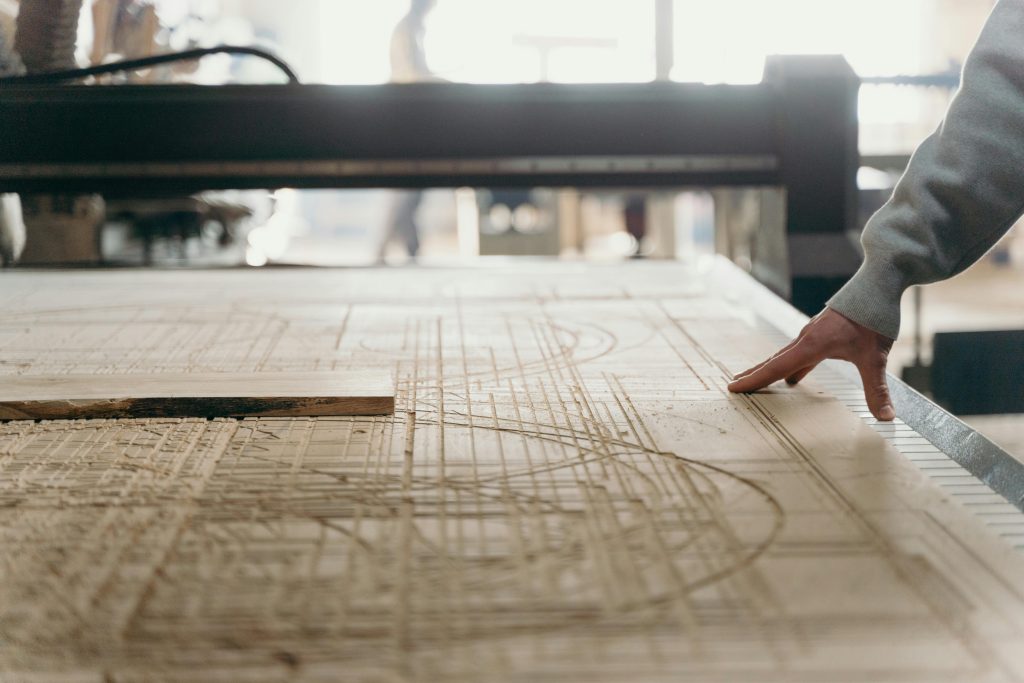
Menu Home About Services 3D Renderers & Visualisations Production-Ready Shop Drawings Tailored First Drafts & Design Layout Portfolio Let’s Connect Blog FAQ Blog / CNC & Manufacturing The Future of Joinery Design in 2026: Automation, AI & Precision Manufacturing May 2, 2026 The joinery industry is undergoing a major transformation. What was once a craft driven primarily by manual expertise is now evolving into a highly advanced, technology-led discipline. In 2026, the future of joinery design is being shaped by automation, artificial intelligence (AI), and precision manufacturing—unlocking new levels of efficiency, accuracy, and scalability. For builders, architects, and manufacturers, staying competitive means embracing these innovations and integrating them into everyday workflows. The Shift Toward Digital-First Joinery Design Traditional drafting methods are rapidly being replaced by digital workflows that streamline the entire design-to-production process. With advanced CAD systems, joinery designs can now be developed with extreme precision, allowing for seamless transitions from concept to fabrication. These tools eliminate guesswork and reduce costly revisions, ensuring that every detail is accounted for before production begins. Why Digital Workflows Matter Faster turnaround times Reduced human error Improved collaboration between stakeholders Direct integration with CNC machinery The Role of AI in Joinery Design Artificial intelligence is redefining how joinery projects are planned and executed. Rather than replacing designers, AI enhances their capabilities by automating repetitive tasks and providing intelligent design recommendations. AI-powered tools can: Optimize material usage Suggest design improvements Detect potential structural issues early Automate design layout Smarter Design Decisions AI enables designers to make data-driven decisions, resulting in more efficient and cost-effective outcomes. This is especially valuable in large-scale commercial projects where precision and speed are critical. Automation in Drafting and Production Automation is significantly reducing the time required to produce high-quality joinery drawings. Tasks that once took hours can now be completed in minutes with the help of intelligent drafting systems. From automated dimensioning to parametric design adjustments, automation ensures consistency across all project documentation. Benefits of Automated Drafting Increased productivity Standardized outputs Faster revisions and updates Scalable design processes For businesses handling multiple projects, automation provides a clear competitive advantage. The Rise of 3D Modelling and Visualisation Clients today expect more than technical drawings—they want to see the final product before it’s built. This is where 3D modelling and visualisation play a critical role. With realistic renders, stakeholders can: Visualise the finished design Identify potential issues early Make informed design decisions Improve client approvals and satisfaction Bridging the Gap Between Concept and Reality 3D visualisation enhances communication between designers, builders, and clients, ensuring everyone is aligned before production begins. Precision Manufacturing with CNC Integration One of the most impactful advancements in joinery design is the seamless integration between drafting software and CNC (Computer Numerical Control) machinery. Production-ready drawings can now be directly translated into machine instructions, minimizing errors and ensuring exact replication of designs. Why Precision Matters Perfect component alignment Perfect component alignment Perfect component alignment Perfect component alignment This level of accuracy is essential in modern construction, where timelines are tight and expectations are high. What This Means for Builders and Manufacturers The future of joinery design is not just about adopting new tools—it’s about rethinking how projects are delivered. Businesses that leverage automation, AI, and precision manufacturing can: Reduce operational costs Improve project timelines Deliver higher-quality outcomes Scale more efficiently Those who resist these changes risk falling behind in an increasingly competitive market. How Inline Consulting Supports the Future of Joinery Design At Inline Consulting, innovation is at the core of every project. By combining advanced CAD drafting, 3D modelling, and production-ready documentation, the team ensures that clients are equipped for the demands of modern joinery manufacturing. From concept development to CNC-ready drawings, Inline Consulting helps businesses transition into a more efficient, technology-driven workflow—without compromising on quality or detail. Final Thoughts The future of joinery design in 2026 is defined by precision, efficiency, and intelligent systems. Automation and AI are not replacing craftsmanship—they are enhancing it. For businesses ready to embrace this evolution, the opportunities are significant: faster delivery, better accuracy, and stronger client satisfaction. The question is no longer whether to adopt these technologies—but how quickly you can integrate them into your workflow. In This Article The Shift Toward Digital-First Joinery Design The Role of AI in Joinery Design Automation in Drafting and Production Precision Manufacturing with CNC Integration The Rise of 3D Modelling and Visualisation What This Means for Builders and Manufacturers How Inline Consulting Supports the Future of Joinery Design Final Thoughts READY TO WORK TOGETHER? Let’s Bring Your Next Project to Life get in touch with us Precision joinery drafting and design development for manufacturers, designers, and builders Australia-wide. Quick Links Home About Services 3D Renderers & Visualisations Production-Ready Shop Drawings Tailored First Drafts & Design Layout Portfolio Let’s Connect Blog FAQ Contact Us info@inlineconsulting.au Melbourne, Victoria Australia +61 419 391 712 InLine Consulting Australia LinkedIn